Evidence-Based Assessment and Diagnosis of Your Property

The Etogo Property Health Assessment Report (PHAR) is a structured, evidence-based assessment and diagnosis designed to reveal the true condition of a property as an income-producing asset.
Most property owners only discover problems after something fails. Small issues—like moisture intrusion, aging systems, or deferred maintenance—quietly accumulate until they become costly emergencies. The PHAR eliminates this uncertainty by providing a system-level diagnostic view of the property.
It identifies all current and emerging issues that could affect:
The PHAR becomes the single source of truth for the property’s condition and the foundation of the Etogo’s stewardship system.
The PHAR answers the most important questions a property owner should know:
Instead of reacting to emergencies, the PHAR gives you a clear, prioritized roadmap for stabilization and long-term stewardship.

The PHAR examines the major systems and components that influence property performance.
A numerical score that reflects the overall condition of the property based on system health and risk exposure.
Issues are categorized by urgency:
Critical:
Immediate safety or performance risks.
High Priority:
Likely to cause failure or major cost increase.
Moderate:
Should be addressed within the stewardship plan.
Low Priority:
Cosmetic or long-term items.
A structured plan showing:
The PHAR provides insight into:
A forward-looking plan that outlines:

Traditional inspections are often:
The PHAR is different because it:

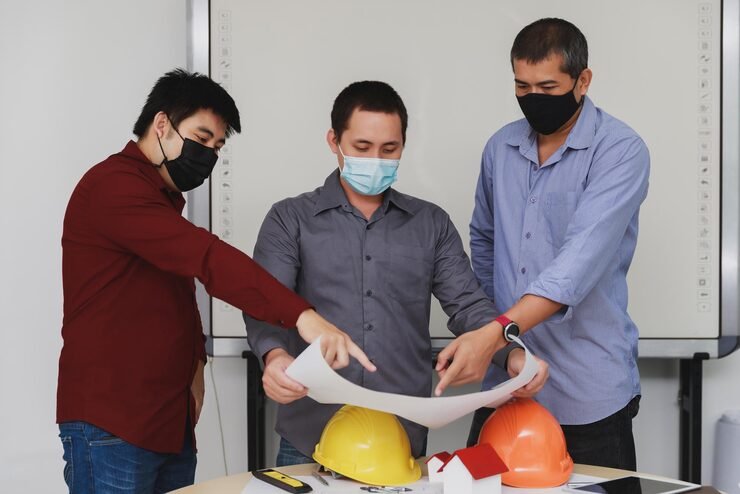
The PHAR is Stage 1 of the Etogo system.
Stage 1: PHAR – Assessment & Diagnosis
Stage 2: Remediation Maintenance – Stabilization
Stage 3: Proactive Property Stewardship – Prevention
This creates a closed-loop model:
Assessment → Stabilization → Prevention → Reassessment
After the PHAR, you gain: